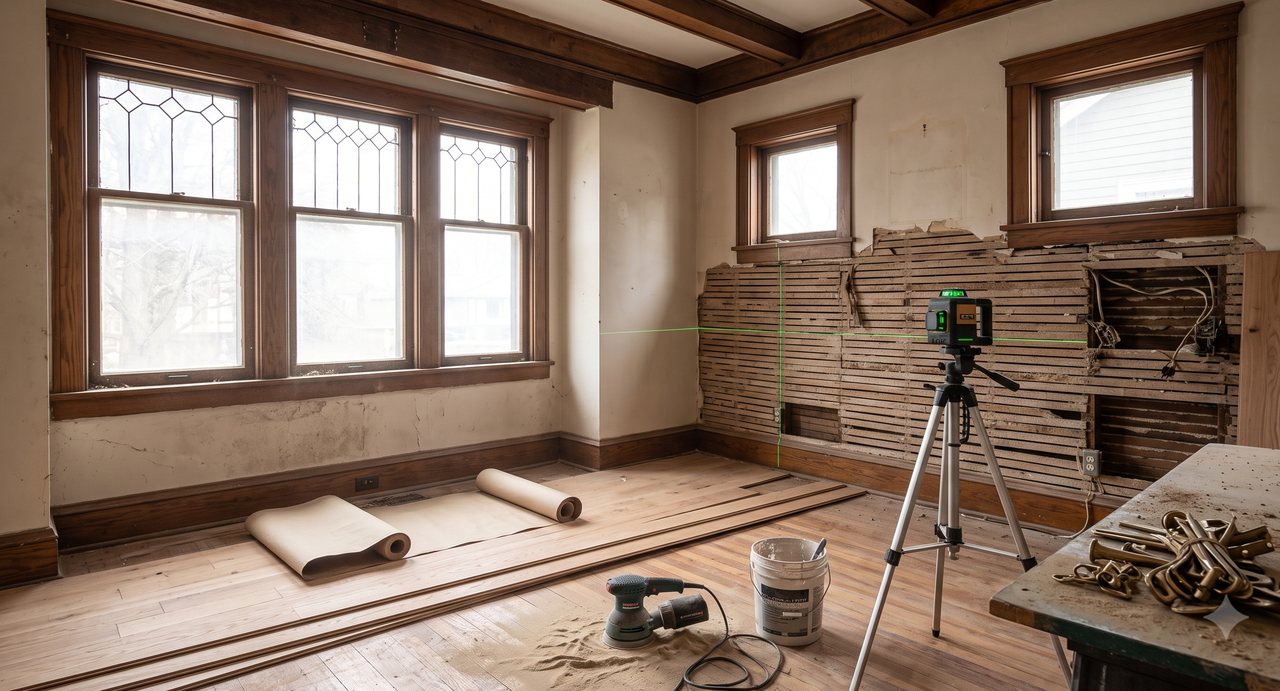
Every seller I sit down with eventually asks the same thing, usually while standing in a kitchen they have been meaning to update for years. Should we fix this before we list, or just sell it the way it is? It is a fair question, and the honest answer cuts both ways. Spend in the wrong places and you hand the buyer an upgrade you paid for and will never recover. Skip the right small things and you leave the home looking tired in photos that buyers judge in about three seconds. The goal is not a perfect house. It is the smallest amount of work that moves the most buyers, and that line is narrow.
Start with who the work is really for
Before you price out a single project, get clear on one thing: are you improving this home for yourself, or for the next owner? If you are staying another three or four years, build the kitchen you want and enjoy it. But if you are listing soon, the only updates worth making are the ones that lift a buyer's first impression or hold up under an appraiser's eye. A simple gut check helps. If a dollar spent does not come back as more than a dollar of how the home shows or sells, it is a personal indulgence, not a selling strategy. That sounds blunt, but it has saved my sellers real money.
What actually pays off in our market
The projects that earn their keep around here are almost always the cosmetic, broad-appeal ones rather than the big structural swings. Paint is the cheapest lever you have, and a fresh coat in warm neutrals does more to modernize a room than buyers consciously notice. Flooring is the next one that pays. Worn carpet reads as deferred maintenance, and replacing it with luxury vinyl plank or refinishing original hardwoods often helps a home sell faster. Light kitchen and bath refreshes punch above their cost too. New cabinet hardware, updated lighting, fresh caulk and grout, and a modern faucet can make a dated room feel cared for without a remodel in sight. And the front entry matters more than its price tag suggests, because the front door and a tidy porch set the buyer's mood before they step inside.
National remodeling surveys, including the long-running Cost vs. Value Report, have consistently found that minor cosmetic projects recover a much higher share of their cost than major renovations, and that pattern holds in the Midwest. I would not hang your decision on any single percentage, because returns vary by neighborhood and price point, but the direction is reliable: small and visible beats large and structural.
Where to stop, and why
Knowing where to quit is just as valuable as knowing where to start. Right before a sale is the wrong time for a full kitchen or bath gut job, for high-end landscaping, for specialty lighting, or for the basement bar, sauna, or home theater you always wanted. The reason is counterintuitive but it holds up. Most buyers would rather inherit a clean, neutral, move-in-ready home than your specific taste, however good it is. When you finish a space to your own preferences, you are betting the buyer shares them, and if they do not, you have spent real money making the home harder to sell. A blank canvas almost always travels further than a finished vision that is not the buyer's.
A few Michigan realities worth planning around
Selling here comes with conditions that shape what is worth doing. Our winters mean buyers quietly grade a home on whether it looks dry and well sealed, so a stained basement, a failing sump pump, or peeling exterior paint will cost you more attention than a dated countertop ever will. If you are listing in the long off-season, photos carry even more weight because curb appeal is buried under snow, another reason to spend your effort on clean, bright interiors rather than landscaping that will not show.
One more thing specific to selling in Michigan. State law requires most sellers to complete a Seller's Disclosure Statement covering known conditions of the property, and that obligation does not disappear because you patched something over. If a repair touches a system a buyer would reasonably care about, such as the roof, furnace, electrical, or a known leak, do it properly and keep your receipts rather than masking it. What your specific disclosure has to say is a conversation for your real estate attorney. Cosmetic prep and honest disclosure are two different jobs, and doing the first well never excuses skipping the second.
The smart middle path: a pre-listing walkthrough
If you are not sure where your dollars belong, this is the step I recommend almost every time. Before anything goes on the market, we walk the home together, room by room, and separate the improvements buyers will feel from the ones that only drain your account. It is usually a short, cheap list. Touch-up paint on scuffed trim. Fresh caulk around tubs and sinks. Swapping yellowed switch plates and tired brass fixtures for something current. Decluttering so rooms read as larger and brighter. None of it is glamorous, and that is exactly why it works. These are the details buyers register without knowing why a home feels move-in ready, and they cost a fraction of a renovation.
Selling as-is, but doing it on purpose
Plenty of sellers simply do not want to renovate, and that is a valid plan, not a fallback. A home that needs work can sell well when it is priced and presented honestly. We can position it for the right audience, which often means investors or cash buyers who expect to do the work and have already budgeted for it. In my experience, many Michigan homes sell faster as-is when they are marketed transparently, with clean photos and a straight story about their condition, than they would after a rushed, half-finished renovation that pleases no one. Buyers forgive a dated home. They do not forgive feeling misled.
How to think about it before you spend
If you take one idea from all of this, let it be that remodeling before selling is about perception, not perfection. A handful of well-chosen, visible updates can turn a hesitant buyer into a written offer, while the wrong projects quietly shrink your proceeds. The trick is matching the work to your goal of selling, rather than to the home you wish you had time to build.
If you are thinking about listing in West Michigan, I am happy to walk your home with you and give you a plain, honest list of what to fix, what to skip, and what to leave exactly as it is. More often than not, smart, inexpensive prep does more for your bottom line than the big upgrade you were bracing yourself to pay for.