The biggest myth in home improvement is that adding value means spending a fortune. It does not. After walking through hundreds of West Michigan homes before they hit the market, I can tell you the houses that sell faster and for more are rarely the ones with the brand new kitchen. They are the ones that feel cared for, look bright, and give a buyer nothing to flinch at. That feeling is built out of small, deliberate moves, most of them a few hundred dollars rather than tens of thousands. Here is how to spend where it comes back, and where to stop before you overspend on something a buyer will never repay.
Why small things move the needle here
Michigan buyers, especially in our price-conscious markets around Muskegon, Grand Rapids, and the lakeshore, are usually looking for a home they can move into without a project list. When a house photographs well and shows clean, it draws more showings, more showings draw more offers, and competing offers are what lift your price. So the goal of every dollar before listing is not to renovate. It is to remove hesitation. A buyer who starts subtracting (new carpet, repaint that room, fix that faucet) is building a lower number in their head. Take those off the table and you protect your price.
Paint, light, and the cheapest wins
Fresh neutral paint. Nothing returns more per dollar than paint. A clean, neutral palette in light grays, soft whites, or warm beiges makes a home read as updated even when nothing else changed. Skip the trendy colors that date quickly. The point is a blank canvas, not your taste.
Better lighting. Swapping dated fixtures for clean modern ones and replacing dim bulbs with bright LEDs is a small expense with an outsized effect, and it matters more here than in sunnier states. Our winters are dark, and a home that feels gloomy in a January showing loses something a brighter home keeps. Warm-tone bulbs in the 2700K to 3000K range keep rooms cozy rather than clinical.
Hardware and fixtures. Tired doorknobs, cabinet pulls, and faucets quietly age a house. Replacing them with brushed nickel or matte black is cheap, fast, and noticeable, and it pulls a whole room forward without a remodel. This is the highest ratio of impression to dollar in the house.
Floors and the rooms that decide the sale
Scratched hardwoods or worn carpet drag down a buyer's sense of value before they reach the back of the house. Refinish the wood you have if you can, since that is usually cheaper than replacing it and often looks better. Where you replace, luxury vinyl plank has become the practical choice for much of a Michigan home because it stands up to the water, salt, and mess that comes through the door from November to March. In entryways, mudrooms, and basements, water-resistant flooring is worth prioritizing.
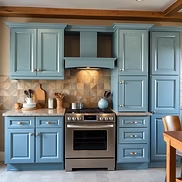
Kitchens and bathrooms still carry the most weight with buyers, but carrying weight does not mean gutting them. In the kitchen, painting cabinets instead of replacing them, adding a simple subway tile backsplash, and updating the hardware and lighting can transform the room for a fraction of a true remodel. In the bathroom, re-grouting tile, replacing a dated vanity or faucet, and updating the mirror make the space feel new without touching the plumbing. You are refreshing, not rebuilding, and for a sale that is the right altitude.
Curb appeal and the first ten seconds
A buyer forms an opinion from the street before they reach your door, and that opinion colors everything they see inside. Clean the gutters, trim the bushes, edge the beds, paint the front door, and set out a couple of well-placed planters. For plantings that survive our seasons, hardy choices like boxwood, hostas, and hydrangeas hold up better than anything fussy. None of this is expensive. All of it changes the photo buyers see first online, which decides whether they book the showing at all.
Energy efficiency that buyers actually feel
Cost-conscious Michigan buyers think about what the house will cost to run, not just to buy. A smart thermostat, fresh weather stripping, LED lighting throughout, and added attic insulation are modest investments that make a home more comfortable and cheaper to heat through a long winter. Insulation in particular tends to be money well spent in our climate. These rarely get appraised line for line, but they remove another objection and tell a buyer the home was maintained by someone who paid attention.
Declutter, stage, and let the house breathe
The single cheapest improvement is removing things. Pack away the excess, depersonalize the rooms, and give buyers space to picture their own life in the house instead of studying yours. If a room feels tight, a small storage unit while you sell makes every space look bigger. Staging does not require a designer. It requires restraint.
Maintenance is the quiet multiplier
The least glamorous category may matter most. A clean furnace filter, a tight handrail, a serviced roof, caulk where it belongs, and no dripping faucets all signal pride of ownership to the people whose opinions move your price: the buyer, the inspector, and the appraiser. A home that has obviously been cared for invites fewer repair requests after inspection and tends to hold its number to closing. Deferred maintenance does the opposite.
Where to stop
Knowing what to skip is as valuable as knowing what to do. Big-ticket projects (a full kitchen gut, a room addition, a swimming pool, top-of-the-line finishes in a modest neighborhood) rarely return what they cost when you are about to sell, because you cannot price a home far above what the street around it supports. As a rule, lighter cosmetic refreshes recover a larger share of their cost than major remodels, though the exact return depends on your home, your price point, and the buyers in your pocket of West Michigan. If you are selling within the year, resist the urge to renovate for a buyer you have not met. Spend on the impression, not the overhaul.
One note on the numbers. Improvements affect what a buyer will offer, but if you are weighing how a project touches your taxes or cost basis, that is a question for your CPA, not your agent. My job is to tell you what helps the home sell.
None of this is about spending thousands. It is about choosing the handful of details that show a home was loved and letting them do the work. If you are thinking about selling in West Michigan, I am glad to walk your home with you and help you pick the two or three updates that will move your number, and just as importantly, talk you out of the ones that will not. Small steps, in the right order, are how modest budgets turn into real gains.