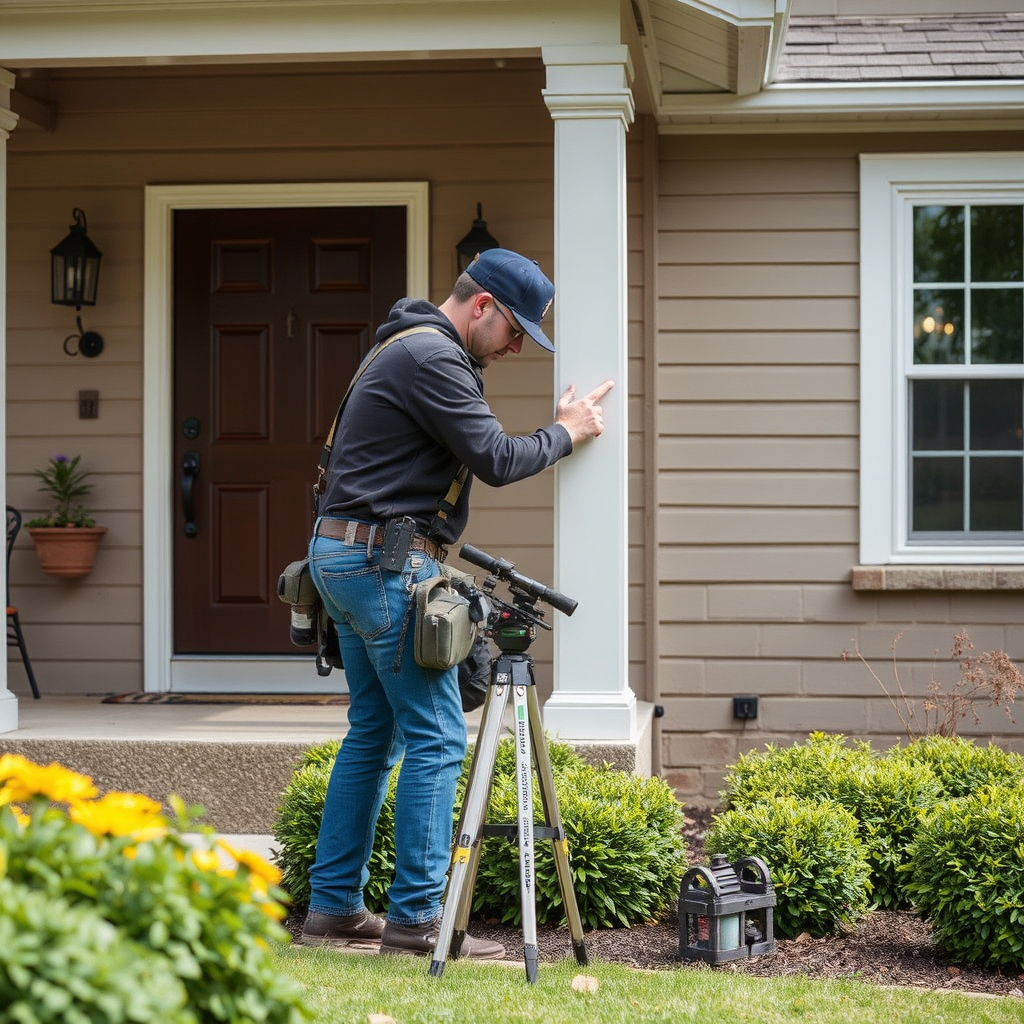
The buyer's inspection is the moment a sale you thought was done can quietly start coming apart, and the difference usually comes down to how ready your house was the morning the inspector showed up. Most sellers brace for it like a final exam they are about to fail. That is the wrong way to think about it. An inspection is not a hunt for everything wrong with your home. It is a buyer confirming that what they agreed to buy is what they are actually getting. When the house backs that up, the inspection does something a listing photo never can: it builds trust at the exact moment the buyer is deciding whether to keep going. Handled well, inspection day moves your deal forward. Handled carelessly, it hands the buyer a reason to renegotiate or walk.
Why the inspection carries so much weight in West Michigan
Nearly every accepted offer here includes an inspection contingency, and that clause is the buyer's escape hatch. Within the contingency window, typically a short stretch of days written into the purchase agreement, the buyer can ask you to repair items, request a credit, renegotiate the price, or in many cases cancel the deal and keep their earnest money. So the report an inspector writes is not just a to-do list. It is the document that decides whether your buyer leans in or leans out. The goal is not a flawless house. No house is flawless, and inspectors will always find something. The goal is a report with no surprises big enough to change the buyer's mind.
Make every system reachable before the inspector arrives
The single most avoidable problem on inspection day is access. An inspector has to physically reach the attic hatch, the crawlspace, the electrical panel, the water heater, and the furnace. When something is blocked, they cannot evaluate it, and in many cases they will note it as unable to inspect, which reads to a nervous buyer as a question mark hanging over the house. Clear a working path to every major system, and give the perimeter of the basement and each mechanical unit a few feet of breathing room. Move the stored boxes, the bikes, the holiday bins, and the laundry piled in front of the panel. This costs you an afternoon and removes an entire category of unnecessary flags from the report.
Knock out the small stuff, because volume reads as neglect
Buyers rarely walk away over a single dripping faucet. What rattles them is a report ten or twelve items long, because the length of the list, not the size of any one item, is what makes a house feel poorly kept. A loose door handle, a running toilet, a burned-out bulb, a GFCI outlet that will not trip, a torn window screen: none of these matter on their own, and all of them are an evening of work with a screwdriver and a trip to the hardware store. Clearing them before the inspector arrives shortens the report and, just as importantly, signals that this is a home someone has been paying attention to. That impression carries into how the buyer reads the bigger items.
Service the major systems and leave the paper trail
Heating and cooling. If your furnace or air conditioner has not been serviced in the last year, schedule it now. A recent maintenance receipt does two things: it can catch a small problem before the inspector does, and it keeps a report from carrying language like appears neglected next to your most expensive systems. Replace the filters while you are at it.
Safety and basics. Test every smoke and carbon monoxide detector and swap the batteries. Michigan winters mean these run hard, and a dead detector is both a safety issue and an easy flag. Label the breaker panel clearly. It is a small thing that quietly tells an inspector the house has been managed by someone who cares.
Keep the receipts. If you replaced the roof, serviced the furnace, or had the septic pumped, gather the documentation. Proof that work was done and done by a professional answers a question before the buyer thinks to ask it.
Walk the exterior with Michigan weather in mind
Our freeze-thaw cycles are hard on houses, and inspectors here know exactly where to look. Cracked caulking around windows and doors, missing or lifted shingles, and downspouts that dump water against the foundation instead of away from it are common findings that point straight at moisture, the issue buyers fear most. Peeling paint on wood trim deserves special attention if your buyer is using an FHA or VA loan, because those programs can require it to be addressed before they will fund. Walk the full perimeter and look up at the roofline. Most of what you will find is cheap to fix and disproportionately heavy in how a report reads.
Set the stage, then step away
A clean, calm house tells an inspector and a buyer that it has been cared for, and that impression colors how generously they interpret everything else. Declutter the surfaces, wipe things down, and confirm every utility is on, because an inspector cannot test a water heater or a stove that has no power or gas running to it. Then leave. Give the inspector and the buyer room to work and talk freely without the seller hovering, which makes everyone tense and rarely helps your case. Consider leaving a short note on the counter listing recent updates, with dates and the companies who did the work. Something as simple as roof replaced 2018, furnace serviced last fall, gutter guards added in 2023 turns a cold report into a story of a home that has been looked after.
A pre-listing walkthrough is the cheapest insurance you can buy
The best surprises on inspection day are the ones you already knew about. Before you list, I am happy to walk the house with you and flag the items an inspector is likely to catch, so you can decide what to fix, what to disclose, and what simply is not worth touching. None of this is legal or contractual advice, and anything that touches your disclosure obligations or how to respond to a repair request is a conversation we will have together against your actual purchase agreement. What I can tell you is that the sellers who prepare almost always negotiate from a calmer, stronger position than the ones who wait to be surprised.
An inspection does not have to be the part of the sale you dread. Prepared well, it is the moment a buyer stops second-guessing and starts trusting the home, and in a market where confidence sells houses right alongside condition, that trust is worth far more than the afternoon it takes to earn it. When you are ready to list, let's do that walkthrough first.